Noticing small bump on penis can be alarming. But before jumping to conclusions, know that not all bumps are dangerous. In many cases, they’re completely harmless and don’t require treatment. Still, it’s crucial to understand the difference between normal variations and bumps that signal an infection or medical issue.
In this guide, we’ll explain the most common causes of small Bump on penis, how to identify them, and when to seek medical attention — with real-life examples to help you understand what’s normal and what’s not.
What Are Small Bump on Penis?
Small bumps on the penis can appear on the shaft, head (glans), or even the base. These may be:
- Flesh-colored or white
- Smooth or rough
- Itchy or painless
- Present from puberty or appear later
Most are harmless, but some can be signs of STIs or skin conditions.
Common Causes of Small Bumps on the Penis
1. Pearly Penile Papules (PPP) – Normal
What it looks like: Tiny, dome-shaped, flesh-colored bumps that form a row around the head of the penis.
Painful or itchy? No
Contagious? No
Need treatment? No
Real-life example:
“I noticed a ring of small bumps around the head of my penis in my early 20s. My doctor said they were pearly penile papules — totally normal and not an STI.” – Adam, 26
2. Fordyce Spots – Harmless Oil Glands
What it looks like: Small white or yellow bumps on the shaft or scrotum.
Painful or itchy? No
Contagious? No
Need treatment? No
These are just visible sebaceous glands and part of your natural anatomy.
Real-life example:
“I thought it was an infection, but it turned out to be Fordyce spots — just oil glands under the skin.” – Jake, 32
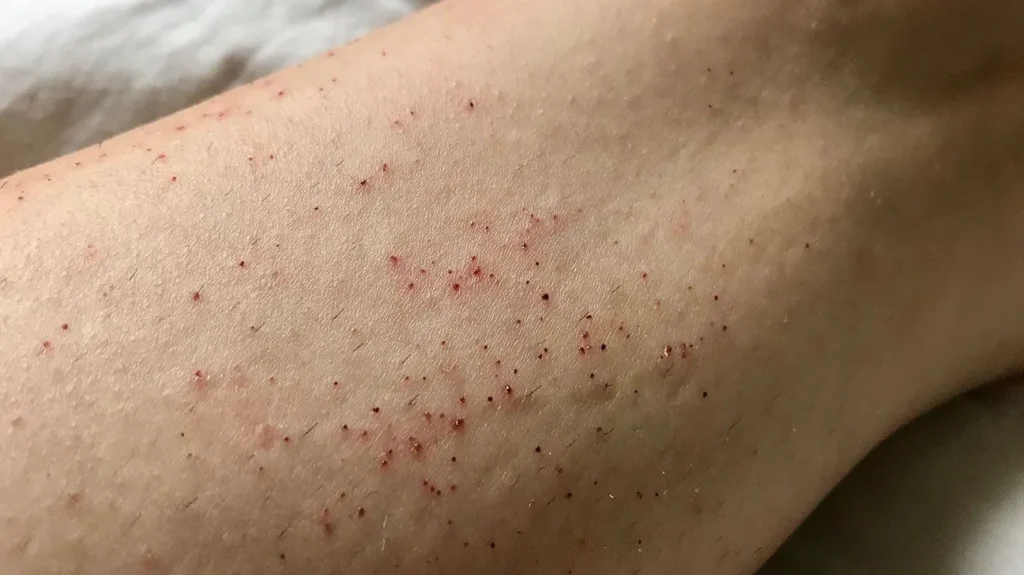
3. Ingrown Hairs or Razor Bumps
What it looks like: Red or white bumps, sometimes with a hair in the center. Often occurs after shaving.
Painful or itchy? Can be
Contagious? No
Need treatment? Usually not
Apply warm compresses and avoid shaving for a while.
Tip: Always shave in the direction of hair growth to prevent these.
4. Genital Warts (HPV) – Sexually Transmitted
What it looks like: Small, skin-colored or pink growths that may look like cauliflower.
Painful or itchy? Sometimes
Contagious? Yes
Need treatment? Yes
Caused by the human papillomavirus (HPV). Treatment options include topical medication or cryotherapy.
Real-life example:
“I had bumps that didn’t go away for months. A dermatologist diagnosed them as genital warts. Treatment helped, but I also got the HPV vaccine afterward.” – Ryan, 29
5. Molluscum Contagiosum – Viral Infection
What it looks like: Smooth, round, flesh-colored bumps with a dimple in the center.
Painful or itchy? Rarely
Contagious? Yes
Need treatment? Often clears on its own but may need removal
Spread through skin-to-skin contact. Common in people with weakened immune systems.
6. Herpes – Painful Blisters
What it looks like: Painful blisters or clusters that eventually break open and form sores.
Painful or itchy? Yes
Contagious? Highly
Need treatment? Yes
Caused by HSV-1 or HSV-2. Often comes with fever or flu-like symptoms during the first outbreak.
Real-life example:
“My first herpes outbreak was painful and shocking. But with antiviral medication, I now manage it easily.” – Mark, 35
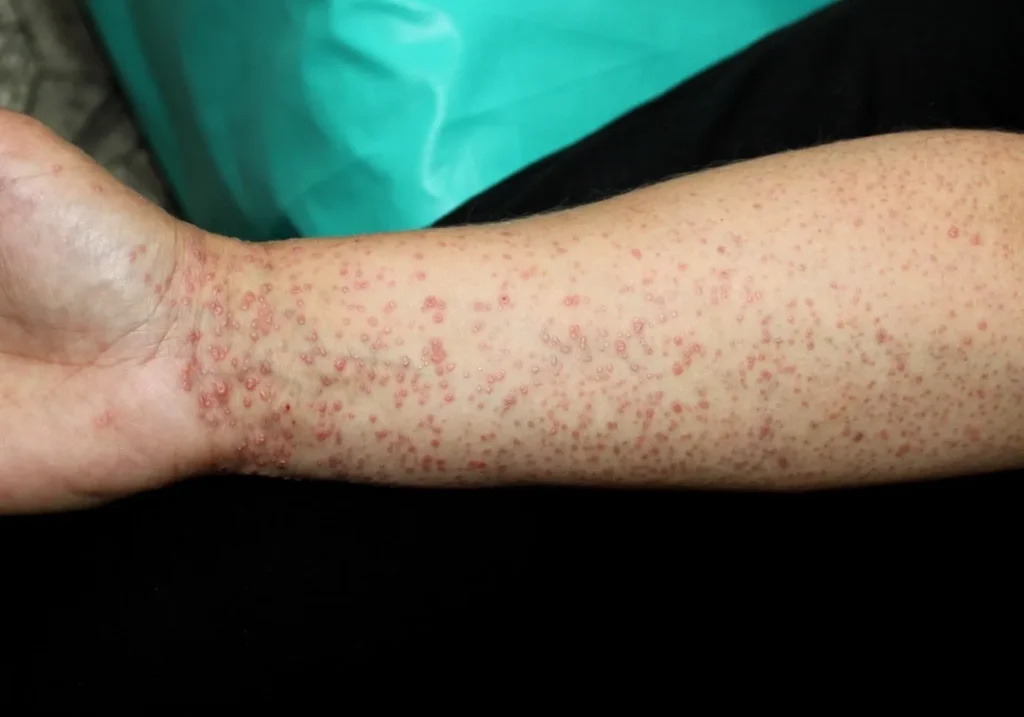
7. Lichen Planus – Inflammatory Skin Condition
What it looks like: Flat-topped, purplish bumps on the skin. May affect the penis, mouth, and wrists.
Painful or itchy? Sometimes itchy
Contagious? No
Need treatment? Yes
Often treated with steroid creams or other anti-inflammatory medications.
8. Penile Cancer – Very Rare
What it looks like: Hard lump, sore that doesn’t heal, or discharge under the foreskin.
Painful or itchy? May be
Contagious? No
Need treatment? Yes, immediately
More common in men who are uncircumcised and over age 50.
When to See a Doctor
Here are signs that you should consult a doctor or urologist:
- Bumps that change in size, color, or shape
- Itching, pain, or burning in the area
- Bumps that bleed or ooze
- Blisters or sores that don’t heal
- You have unprotected sex or multiple partners
- Bumps appear after a new sexual partner
Diagnosis: What to Expect at the Clinic
A doctor may:
- Visually inspect the area
- Take a swab or skin sample
- Order a blood or urine test (for STIs)
- Recommend biopsy if cancer is suspected
Don’t be embarrassed — doctors see this all the time. Early diagnosis leads to faster, more effective treatment.
How to Prevent Bumps on Penis
- Practice safe sex (use condoms)
- Avoid shaving too close to the skin
- Maintain good hygiene
- Don’t pop or squeeze bumps
- Get regular STD screenings
- Get vaccinated (e.g., HPV vaccine)
Final Thoughts
Small bump on penis aren’t always a cause for alarm — but they’re not something to ignore either. Many are completely normal and part of your natural anatomy. However, if something looks new, painful, or persistent, it’s best to get it checked.
Being informed and proactive about your sexual and skin health is part of responsible self-care. And remember, seeing a doctor about this is common and nothing to be ashamed of.
Real-Life FAQ
Q1. Are small bump on penis always an STD?
No. Many bumps (like PPP or Fordyce spots) are harmless and non-contagious.
Q2. Can I treat these bumps at home?
Only if they’re harmless (e.g., ingrown hairs). Never self-treat suspected STDs — see a doctor.
Q3. Can I pop the bump?
No. This can cause infection or scarring. Always consult a doctor if you’re unsure.
Q4. Will genital warts go away on their own?
Sometimes, but they can persist or spread. Treatment is recommended.
Q5. Can shaving cause bumps?
Yes. Razor bumps or ingrown hairs are very common, especially if shaving incorrectly.
Comprehensive 2026 Buyer’s Guide & Additional Insights: 7 Common Causes of Small Bump on Penis A Comprehensive Guide
As the digital landscape evolves, staying informed about 7 common causes of small bump on penis a comprehensive guide is more critical than ever. Families across the globe are facing unprecedented challenges in managing digital safety, screen time, and psychological well-being. Whether you are dealing with toddlers discovering tablets or teenagers navigating complex social media ecosystems, relying on outdated strategies is no longer sufficient.
Why Premium Solutions Matter
Many parents attempt to solve modern digital problems using free, built-in operating system controls. However, these tools are often inadequate against tech-savvy minors and sophisticated algorithms. When addressing 7 common causes of small bump on penis a comprehensive guide, investing in enterprise-grade family network security and premium software suites provides a unified, impenetrable defense.
Free tools typically lack deep packet inspection, real-time cyberbullying detection, and comprehensive dark web scanning. Furthermore, some free applications monetize their services by harvesting your family’s behavioral data, directly contradicting your privacy goals.
Top Industry Recommendations
| Recommended Service | Key Benefit | Average Cost |
|---|---|---|
| Aura Family Plan | Unmatched all-in-one protection combining antivirus, VPN, parental controls, and identity theft insurance. | $144/year |
| Norton 360 Deluxe | Industry-standard rapid threat detection and million-dollar stolen funds reimbursement. | $180/year |
| Bark Premium | The absolute best AI-driven social media monitoring for detecting digital threats. | $99/year |
When you evaluate the costs associated with these premium tools, you must factor in the invaluable peace of mind they provide. The financial and emotional toll of a compromised identity or unmonitored digital access far outweighs a nominal annual subscription fee.
Explore Related Resources
For a comprehensive overview of how to protect your family in 2026, be sure to read our Ultimate Guide to Digital Parenting.
Additionally, check out these related articles to further secure your household:
- 5 known Disorders of Circulatory System
- Sign Language| 10 common signs to help your child
- Narcissistic Personality Disorder (NPD): Signs, Causes, and How to Cope
