Positive parenting solutions are an evidence-based approach that emphasizes empathy, firm boundaries, and mutual respect. Instead of focusing solely on obedience, it prioritizes understanding and guiding children’s emotional world.
It’s not about letting your child “get away with everything,” but rather giving them the skills and emotional security to behave appropriately, even when you’re not watching.
Why Positive Parenting Works
Research shows that children raised through positive parenting develop stronger emotional intelligence, better behavioral outcomes, and deeper parent-child relationships. According to the American Psychological Association, positive parenting is associated with lower levels of anxiety and depression in children, along with higher academic performance and social skills.
Core Principles: The Heart of Positive Parenting
1. Connection Before Correction
You can’t teach from a disconnected space. Children learn best when they feel seen and heard. Before correcting behavior, ask yourself, “Is my child feeling emotionally safe with me right now?”

2. Teach Instead of Punish
Discipline is about learning—not forcing compliance. Replace harsh punishments with opportunities to teach responsibility and empathy.
3. Emotion Coaching
Help children name, feel, and manage their emotions. When a child says, “I hate you,” respond with, “You’re really upset right now. Let’s talk about what’s going on.”
4. Consistent, Respectful Boundaries
Boundaries aren’t punishments—they’re acts of love. A calm but firm “We don’t hit. Let’s take deep breaths,” shows both care and structure.
Real-Life Transformations
Case 1: Tantrums at the Grocery Store
Before: Maya’s 3-year-old would scream and knock items off the shelf.
Positive parenting solution: Maya started prepping her daughter, “You can bring two toys in the cart. If you feel upset, we will use calm breathing or a special signal.”
Result: Meltdowns decreased, and her daughter felt more empowered.
Case 2: Homework Battles
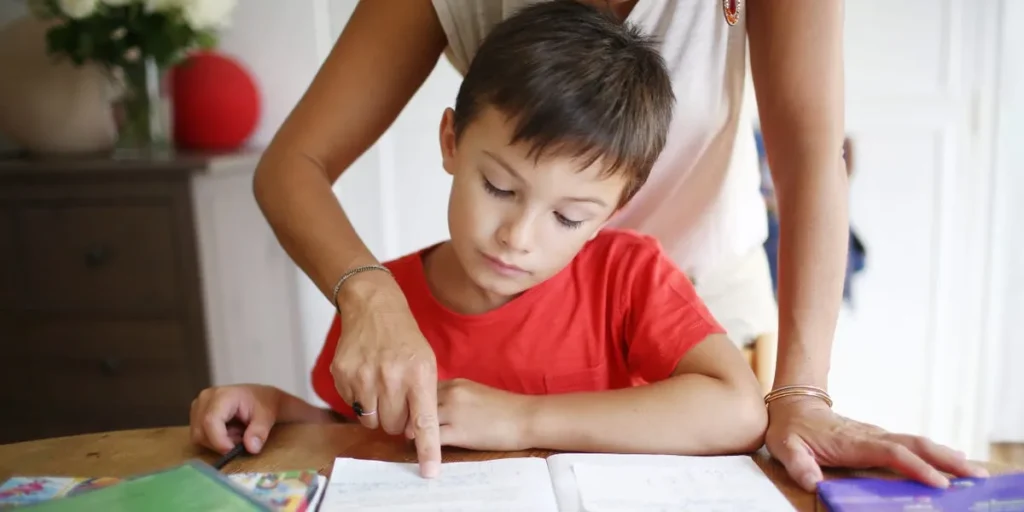
Before: 7-year-old John refused homework nightly.
Solution: His father switched to a “choice-based” system—“Would you rather do your math first or your reading first?” and used praise like, “You’re doing a great job focusing when it’s hard.”
Result: Cooperation increased and nightly fights stopped within a week.
10 Advanced Positive Parenting Solutions
- Use Emotion Labels: “You seem frustrated—let’s pause and figure this out.”
- Offer Choices Within Limits: “You can brush teeth before or after pajamas.”
- Calm-Down Corners: A cozy corner with pillows and books teaches self-regulation.
- Praise Effort Over Outcome: “You worked so hard on that puzzle,” fosters a growth mindset.
- Visual Routines & Charts: Clear expectations reduce chaos and arguments.
- Family Meetings: Weekly 10-minute check-ins let everyone voice feelings and solutions.
- Model Self-Care: Show children how you manage stress, emotions, and relationships.
- Apologize When You Mess Up: “I’m sorry I yelled. I was frustrated but it’s not okay to shout.”
- Avoid “Time-Outs” as Isolation: Instead, try “Time-Ins” where you stay nearby and co-regulate.
- Use ‘When-Then’ Statements: “When you finish your homework, then we can go outside.”
Real-Life Example: From Power Struggles to Partnership
A single mom, Alina, struggled with her 9-year-old son refusing to go to bed. After shifting to a bedtime routine that involved connection (reading a chapter together), a clear transition cue (“One more page”), and a reward chart for staying in bed, bedtime turned from a battle into bonding.
Positive Parenting Through the Ages
| Age Group | Common Challenge | Positive Parenting Tip |
|---|---|---|
| Toddlers | Tantrums, defiance | Distract, offer two choices, stay calm |
| Preschool | Defiant moments | Use visuals, label feelings, break big tasks |
| School-age | Homework resistance, sibling rivalry | Logical consequences, family meetings |
| Teens | Pushback, rebellion | Respectful rules, active listening, shared decisions |
Downloadable Tools for Parents
- Weekly Routine Chart – Helps children visually understand daily expectations.
- Behavior-Tracking Worksheet – Identifies patterns and progress in behavior.
- Calm-Down Script Cards – Promotes language kids can use in emotional moments.
- Emotion Wheel – Helps the whole family articulate what they’re feeling.
These tools are not only practical but give kids a sense of ownership over their emotions and actions.

Common Myths—Debunked
- Myth: Positive parenting is “too soft.”
Truth: It’s compassionate and firm. Rules are still enforced, but with empathy. - Myth: “My child won’t learn unless I punish.”
Truth: Neuroscience shows that fear shuts down learning; connection encourages it. - Myth: “This won’t work on strong-willed kids.”
Truth: These children actually thrive on respect and autonomy.
Self-Care for the Positive Parent
Parenting is emotionally demanding. Without care for yourself, you can’t care for your children.
Try:
- Micro-breaks: Step outside for 5 minutes.
- Support networks: Join Facebook groups or parenting circles.
- Mantras: “I am a work in progress.”
- Parenting journals: Track your wins, struggles, and goals.
Final Thoughts: The Long-Term Payoff
Positive parenting is a marathon—not a sprint. Every effort to listen, connect, and guide your child with love builds a relationship that lasts a lifetime.
You’re not just managing behavior. You’re raising emotionally healthy humans who will one day navigate the world with empathy and confidence.
“The goal isn’t to control our children but to equip them to control themselves.”
FAQs to Boost SEO and Readability
Q: Is positive parenting effective for older kids?
A: Absolutely. Respect and emotional guidance work even more effectively as kids grow.
Q: How long does it take to see results?
A: Some changes happen quickly, but consistency over weeks builds long-term success.
Q: What if I grew up with yelling and punishments?
A: You can break the cycle. Gentle parenting starts with healing your own patterns.
Q: Can I mix positive parenting with other styles?
A: While positive parenting is a full approach, blending with your values can work—just keep respect at the core.
Comprehensive 2026 Buyer’s Guide & Additional Insights: Positive Parenting Solutions: Raising Resilient, Empathetic Children
As the digital landscape evolves, staying informed about positive parenting solutions: raising resilient, empathetic children is more critical than ever. Families across the globe are facing unprecedented challenges in managing digital safety, screen time, and psychological well-being. Whether you are dealing with toddlers discovering tablets or teenagers navigating complex social media ecosystems, relying on outdated strategies is no longer sufficient.
Why Premium Solutions Matter
Many parents attempt to solve modern digital problems using free, built-in operating system controls. However, these tools are often inadequate against tech-savvy minors and sophisticated algorithms. When addressing positive parenting solutions: raising resilient, empathetic children, investing in enterprise-grade family network security and premium software suites provides a unified, impenetrable defense.
Free tools typically lack deep packet inspection, real-time cyberbullying detection, and comprehensive dark web scanning. Furthermore, some free applications monetize their services by harvesting your family’s behavioral data, directly contradicting your privacy goals.
Top Industry Recommendations
| Recommended Service | Key Benefit | Average Cost |
|---|---|---|
| Aura Family Plan | Unmatched all-in-one protection combining antivirus, VPN, parental controls, and identity theft insurance. | $144/year |
| Norton 360 Deluxe | Industry-standard rapid threat detection and million-dollar stolen funds reimbursement. | $180/year |
| Bark Premium | The absolute best AI-driven social media monitoring for detecting digital threats. | $99/year |
When you evaluate the costs associated with these premium tools, you must factor in the invaluable peace of mind they provide. The financial and emotional toll of a compromised identity or unmonitored digital access far outweighs a nominal annual subscription fee.
Explore Related Resources
For a comprehensive overview of how to protect your family in 2026, be sure to read our Ultimate Guide to Digital Parenting.
Additionally, check out these related articles to further secure your household:
- The Ultimate Guide to E-Bike Safety: Tips and Best Practices
- How to Handle a Chatty Kid: Practical and Positive Tips for Parents
- Effective Parenting Techniques That Truly Work
