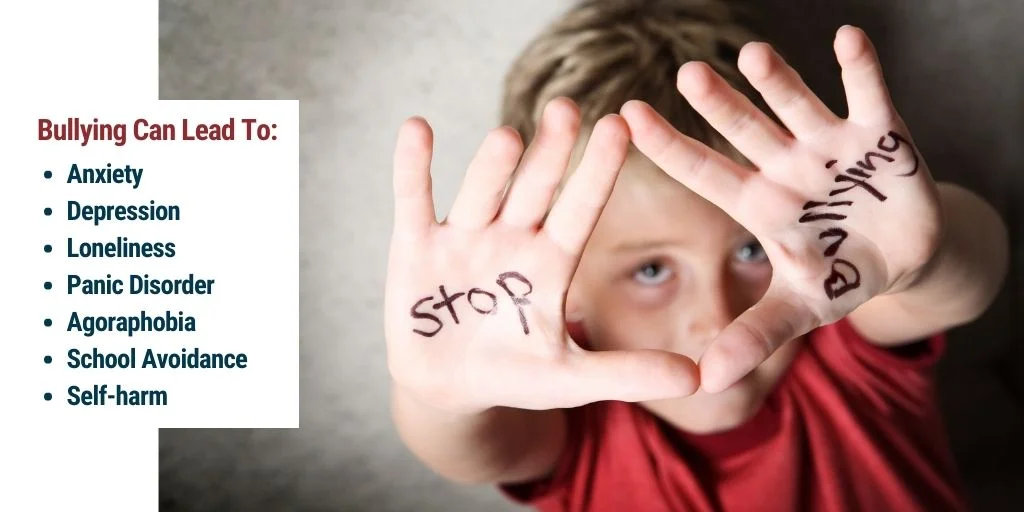
Effects of Bullying has grown to be a severe problem for kids and teenagers, taking many different forms, including physical, verbal, and cyberbullying. Individuals of various ages are impacted.
For instance, a young child might fear going to school because they are being harassed, leading to a greater fear of attending school. Such issues also occur among teenagers and can impact mental health.
Bullying is a considerable problem that could result in mental health problems like tension and coffee vanity, requiring urgent attention and intervention.
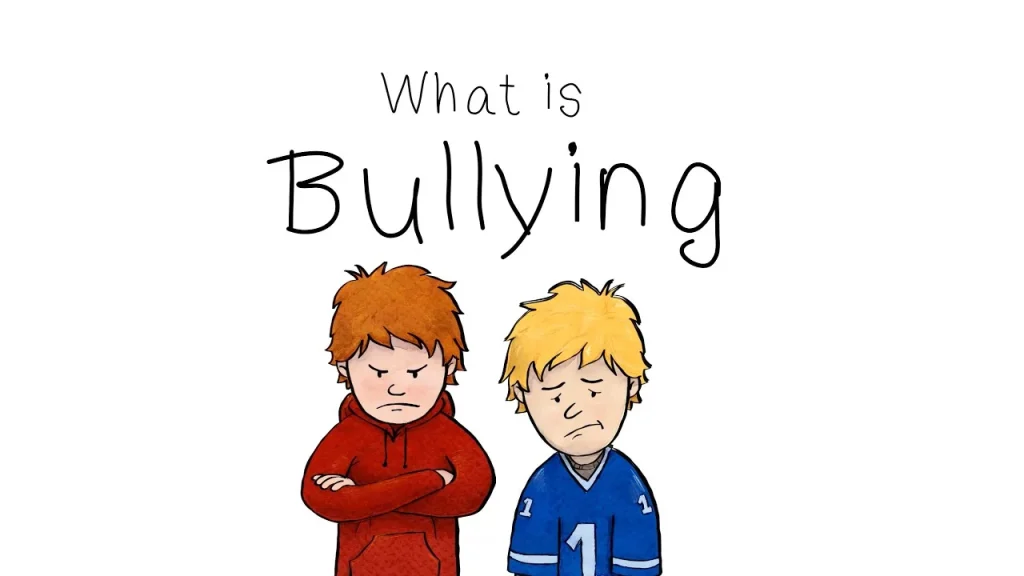
What is Bullying?
According to the most recent research, it is a form of violence committed by an individual or group that affects the safety of children or teenagers. Various situations can cause bullying, but the main root of this problem is a mismatch of power.
An actual occurrence, like riches, physical attractiveness, popularity at school, or a perceived issue, might give rise to this dual nature.
How Can Bullying Affect Mental Health
Bullying has a significant effect on a person’s health, mind, and emotions. It has the power to impact immediate harm as well as long-term issues. It can be quite harmful in some situations, hurt your body, and make it difficult to feel happy or establish friends.
Bullying victims and bullies themselves may experience severe effects. It is more likely that they will experience problems with their mental or behavioral health.
Bystanders are also impacted by bullying, including:
- Individuals who take proactive steps to end bullying, Individuals who are too terrified to speak up and take action.
Bullying can affect the second group by raising their chance of mental health issues and depressing their academic performance. The first group will likely experience benefits like boosted self-esteem or confidence by confronting bullying. Everyone in the victim’s immediate vicinity feels.
What Does Bullying Do to Your Mental Health?
Depending on who is affected and if they are the victim, bullying can have various effects. Even while physical bullying has horrible effects on kids, the impacts of bullying on kids’ mental health frequently take longer for injuries to heal.
It can lead to immediate and long-term problems that complicate life for the bully and victim. Bullying can have psychological effects on both of these people.
Impacts in the short-term
Short-term consequences of bullying include:
- Uncertainty
- Depression
- Lacking self-worth
- A failure to sleep
- Thoughts of suicide or self-harm
While these experiences may appear to pass with time, the child has not permanently “moved on.” A rising body of research indicates that children who are bullied are more likely to have mental health issues than adults.
Impacts in long-term
Growing up doesn’t make abuse go away for people. According to research, young adults who experienced bullying as children are more likely to experience mental health issues as adults, such as:
- anxiety in general
- Anxiety disorders,
- Fear of spiders
- Depression
- Feeling alone
- Avoidance of school
Psychological Effects of Bullying
- Symptoms that your child is being bullied at school include trying to avoid school, dropping grades, or appearing quiet at home.
- Bullying that attacks someone because they are a citizen of a minority group is especially harmful. Bullying that is homophobic is a specific issue in schools. Research indicates that bullying related to racism, sexism, or religion is less common than this type of bullying.
- Bullying of this kind can be extremely harmful and result in deep hate for oneself. It could be more difficult to sympathize with bullies. They may, however, also face psychological issues as a result of their actions or as a cause in and of themselves.
- Being unable to relate to their friends or issues at home may force them to turn into bullies. Furthermore, a child who experiences harm may grow up to bully others, focusing on weaker victims or groups. Bullies and their victims require support.
Recognizing the Signs of Bullying
It’s essential to check the mental health of children who use abusive language. You can check it by observing if your child is not attending school, feels scared, or is in depression.
It can indicate that they’re the target of bullying. Come and let’s discuss how we can support you.
Strategies for Prevention and Intervention
School-Based Programs
School-based Programs that teach kids respect and help them become responsible members of the community might be implemented to prevent misbehavior among school students.
Activities that teach kids the effects of wrongdoing and how to deal with it can improve the environment, reduce misbehavior, and promote positive social change.
Parental Involvement
Parents play a crucial role in preventing misbehavior. They should communicate with their children about their day, monitor behavioral changes, listen to their concerns, and address their issues.
Additionally, parents should stay in touch with their children’s schools to stay informed and address any problems.
Community Support
Communities can help fight bullying by planning events and programs that promote equality and awareness. They can also motivate neighborhood organizations to participate in campaigns and offer family-friendly services.
By grouping, communities can make everyone’s environment safer and more supportive.
Resources for Mental Health Support
Many good resources are available if you or someone you know needs help. You can contact a qualified psychologist or therapist and explore various support programs.
Organizations offering online resources can also guide you through difficult times and provide the support you need.
Conclusion
Bullying deeply affects mental health, leading to lasting emotional and psychological challenges for sufferers, bullies, and bystanders alike. It hurts mental health as well.
Understanding the symptoms and effects of bullying is necessary for a successful solution. By implementing school-based initiatives, engaging parents, and building community, we can collaborate to create safer spaces for all.
Those who are impacted can access resources for mental health support, guaranteeing they get the attention they require. A holistic approach to bullying can lead to healthier and more supportive communities.
FAQs
What are some unusual signs that a child is cyberbullied?
Look for signs such as frequent lawsuits, complications or stomachaches, reluctance to head to high school, unexpected modifications in conduct, and a drop in instructional overall performance.
How can parents guide their baby who is being bullied?
Parents can help their children by listening to their concerns, communicating openly, monitoring their emotional well-being, and working with the college to address the difficulty.
What are powerful faculty-primarily based applications for preventing bullying?
Effective programs consist of activities that educate, recognize, and empathize, function-gambling eventualities to address bullying, and discussions about the effect of bullying on individuals.
What sources are available for mental health help related to bullying?
Resources encompass counseling from licensed therapists, support groups, hotlines, and online mental fitness resources designed to offer guidance and help during difficult situations.
Comprehensive 2026 Buyer’s Guide & Additional Insights: How Bullying Affects Mental Health: Signs, Symptoms, and Solutions
As the digital landscape evolves, staying informed about how bullying affects mental health: signs, symptoms, and solutions is more critical than ever. Families across the globe are facing unprecedented challenges in managing digital safety, screen time, and psychological well-being. Whether you are dealing with toddlers discovering tablets or teenagers navigating complex social media ecosystems, relying on outdated strategies is no longer sufficient.
Why Premium Solutions Matter
Many parents attempt to solve modern digital problems using free, built-in operating system controls. However, these tools are often inadequate against tech-savvy minors and sophisticated algorithms. When addressing how bullying affects mental health: signs, symptoms, and solutions, investing in enterprise-grade family network security and premium software suites provides a unified, impenetrable defense.
Free tools typically lack deep packet inspection, real-time cyberbullying detection, and comprehensive dark web scanning. Furthermore, some free applications monetize their services by harvesting your family’s behavioral data, directly contradicting your privacy goals.
Top Industry Recommendations
| Recommended Service | Key Benefit | Average Cost |
|---|---|---|
| Aura Family Plan | Unmatched all-in-one protection combining antivirus, VPN, parental controls, and identity theft insurance. | $144/year |
| Norton 360 Deluxe | Industry-standard rapid threat detection and million-dollar stolen funds reimbursement. | $180/year |
| Bark Premium | The absolute best AI-driven social media monitoring for detecting digital threats. | $99/year |
When you evaluate the costs associated with these premium tools, you must factor in the invaluable peace of mind they provide. The financial and emotional toll of a compromised identity or unmonitored digital access far outweighs a nominal annual subscription fee.
Comprehensive 2026 Buyer’s Guide & Additional Insights: How Bullying Affects Mental Health: Signs, Symptoms, and Solutions
As the digital landscape evolves, staying informed about how bullying affects mental health: signs, symptoms, and solutions is more critical than ever. Families across the globe are facing unprecedented challenges in managing digital safety, screen time, and psychological well-being. Whether you are dealing with toddlers discovering tablets or teenagers navigating complex social media ecosystems, relying on outdated strategies is no longer sufficient.
Why Premium Solutions Matter
Many parents attempt to solve modern digital problems using free, built-in operating system controls. However, these tools are often inadequate against tech-savvy minors and sophisticated algorithms. When addressing how bullying affects mental health: signs, symptoms, and solutions, investing in enterprise-grade family network security and premium software suites provides a unified, impenetrable defense.
Free tools typically lack deep packet inspection, real-time cyberbullying detection, and comprehensive dark web scanning. Furthermore, some free applications monetize their services by harvesting your family’s behavioral data, directly contradicting your privacy goals.
Top Industry Recommendations
| Recommended Service | Key Benefit | Average Cost |
|---|---|---|
| Aura Family Plan | Unmatched all-in-one protection combining antivirus, VPN, parental controls, and identity theft insurance. | $144/year |
| Norton 360 Deluxe | Industry-standard rapid threat detection and million-dollar stolen funds reimbursement. | $180/year |
| Bark Premium | The absolute best AI-driven social media monitoring for detecting digital threats. | $99/year |
When you evaluate the costs associated with these premium tools, you must factor in the invaluable peace of mind they provide. The financial and emotional toll of a compromised identity or unmonitored digital access far outweighs a nominal annual subscription fee.
Explore Related Resources
For a comprehensive overview of how to protect your family in 2026, be sure to read our Ultimate Guide to Digital Parenting.
Additionally, check out these related articles to further secure your household:
- Ways to Improve Creative Skills for Teens
- Problem-Solving Skills| Definition And exampls
- BIG LITTLE FEELINGS Potty Training Every Kid Guide, Tips

Russell F. Jones, holding a Master in psychology from the University of Florida. He writes for Smart Parent Solutions, offering practical advice on parenting and child development. His engaging content helps parents navigate family life with confidence and ease. Russell enjoys sharing his knowledge and spending quality time with his family.