The internet has become an essential part of childhood. Kids use online platforms for education, entertainment, communication, gaming, and social networking. While technology creates incredible opportunities for learning and development, it also introduces risks that parents cannot afford to ignore.
From cyberbullying and online predators to identity theft and inappropriate content, children face a wide range of digital threats every day. Many young internet users lack the experience needed to recognize scams, protect personal information, or make safe decisions online.
This is why internet safety for kids has become one of the most important responsibilities for modern parents. By understanding potential dangers and implementing effective safety measures, families can help children enjoy the benefits of technology while minimizing risks.
This comprehensive guide covers everything parents need to know about internet safety, including common online threats, safety strategies, parental control tools, privacy protection, and best practices for raising digitally responsible children.
Why Internet Safety for Kids Matters
Children today are introduced to digital devices at increasingly younger ages. Smartphones, tablets, laptops, gaming consoles, and smart TVs provide constant internet access.
While this connectivity offers educational benefits, it also increases exposure to:
- Online predators
- Cyberbullying
- Scams and phishing attacks
- Inappropriate content
- Identity theft
- Social media risks
- Malware and viruses
- Online gaming dangers
Teaching children safe internet habits is no longer optional—it is essential.
Common Online Threats Children Face
Cyberbullying
Cyberbullying occurs when someone uses digital technology to harass, threaten, or embarrass another person.
Examples include:
- Mean messages
- Online rumors
- Public humiliation
- Social exclusion
- Harassing comments
Unlike traditional bullying, cyberbullying can occur at any time and often reaches a larger audience.
Potential effects include:
- Anxiety
- Depression
- Reduced self-confidence
- Academic difficulties
- Emotional distress
Parents should regularly discuss online behavior and encourage children to report any bullying incidents immediately.
Online Predators
Online predators often use:
- Social media platforms
- Gaming communities
- Chat applications
- Messaging services
They may attempt to build trust before manipulating children into sharing personal information.
Warning signs include:
- Requests for secrecy
- Unusual gifts
- Personal questions
- Attempts to move conversations offline
Open communication and monitoring can significantly reduce these risks.
Inappropriate Content
Children can accidentally encounter harmful material through:
- Search engines
- Social media
- Video-sharing platforms
- Online advertisements
Content may include:
- Violence
- Adult material
- Gambling
- Hate speech
- Drug-related content
Content filtering software helps reduce exposure to these dangers.
Identity Theft
Many parents are unaware that children can become victims of identity theft.
Criminals may use stolen information such as:
- Names
- Birth dates
- Social Security numbers
- Addresses
Because children rarely check credit reports, fraud can remain undetected for years.
Teaching children not to share personal information online is critical.
Online Scams and Phishing
Scammers frequently target young internet users.
Common scams include:
- Fake giveaways
- Fraudulent gaming rewards
- Phishing emails
- Fake contests
- Malicious downloads
Children should learn to recognize suspicious links and avoid sharing sensitive information.
Essential Internet Safety Rules for Kids
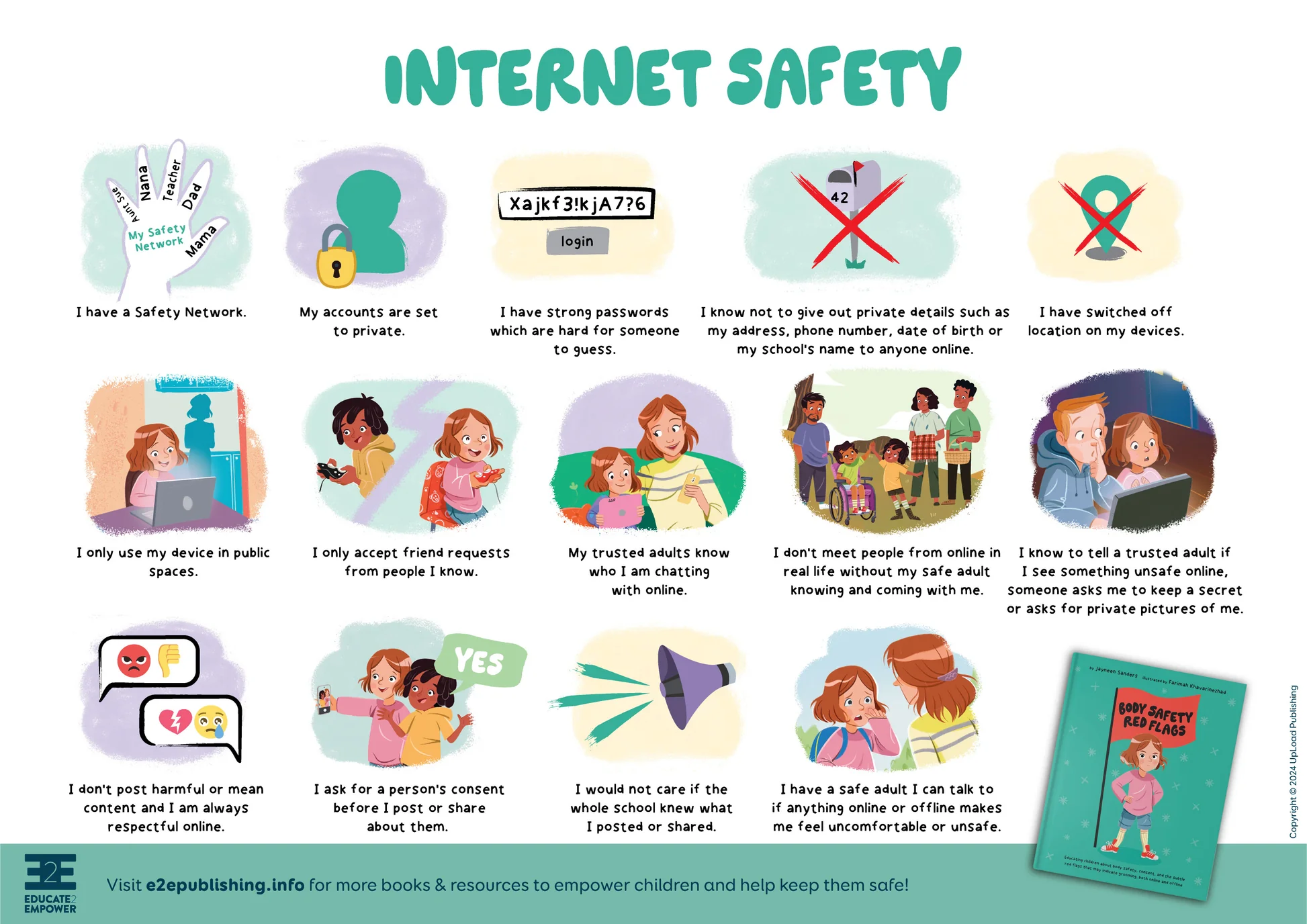
Keep Personal Information Private
Children should never share:
- Home address
- Phone number
- School name
- Passwords
- Financial information
Personal information can be used for scams, identity theft, or unwanted contact.
Use Strong Passwords
Strong passwords should include:
- Uppercase letters
- Lowercase letters
- Numbers
- Special characters
Children should avoid using easily guessed information such as birthdays or pet names.
Think Before Posting
Once information is posted online, it can be difficult or impossible to remove.
Teach children to ask:
- Would I share this with a teacher?
- Would I share this with my family?
- Could this affect me later?
Developing good digital judgment helps protect online reputations.
Never Talk to Strangers Online

Not everyone online is who they claim to be.
Children should:
- Avoid private conversations with strangers
- Report suspicious contacts
- Never agree to meet someone without parental permission
These precautions significantly improve online safety.
The Role of Parents in Online Safety
Parents play the most important role in helping children navigate the digital world.
Create Open Communication
Children should feel comfortable discussing:
- Online experiences
- Mistakes
- Concerns
- Cyberbullying incidents
Open communication often prevents small issues from becoming serious problems.
Set Clear Internet Rules
Establish family guidelines regarding:
- Screen time limits
- Approved websites
- Social media usage
- Online purchases
- Gaming activities
Consistent rules create safer digital habits.
Lead by Example
Children often imitate adult behavior.
Parents should model:
- Respectful online communication
- Privacy awareness
- Responsible social media use
- Healthy technology habits
How Parental Control Software Improves Internet Safety
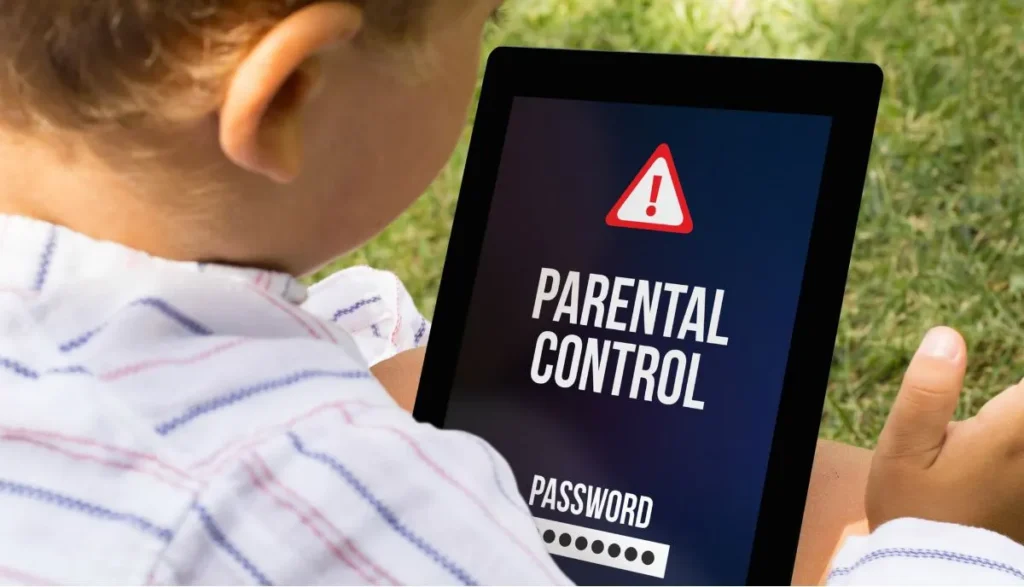
Parental control software provides an additional layer of protection.
Common features include:
Website Filtering
Blocks harmful websites automatically.
Screen Time Management
Helps prevent excessive device usage.
Activity Monitoring
Allows parents to review browsing history and online behavior.
App Management
Controls app downloads and usage.
Location Tracking
Provides additional security when children travel independently.
These tools help families maintain safer digital environments.
Social Media Safety for Kids
Social media introduces unique challenges.
Popular platforms encourage:
- Sharing personal information
- Public communication
- Interaction with strangers
Parents should teach children to:
- Use privacy settings
- Limit personal information
- Avoid suspicious links
- Report inappropriate behavior
Monitoring social media activity can help identify risks early.
Online Gaming Safety
Online games connect millions of players worldwide.
Potential dangers include:
- Stranger interactions
- Inappropriate language
- Scams
- In-game purchases
- Cyberbullying
Parents should review game settings and supervise online interactions.
Protecting Kids From Malware and Viruses
Malicious software can compromise personal information and device security.
Children should avoid:
- Unknown downloads
- Suspicious email attachments
- Pirated software
- Unverified websites
Reliable internet security software provides additional protection against cyber threats.
Teaching Digital Citizenship
Internet safety involves more than avoiding threats.
Children should learn:
- Respectful communication
- Ethical online behavior
- Privacy awareness
- Responsible content sharing
These skills help create positive digital experiences.
Signs Your Child May Be Experiencing Online Problems
Parents should watch for:
- Sudden secrecy about devices
- Emotional distress after internet use
- Withdrawal from family activities
- Declining academic performance
- Sleep disturbances
These signs may indicate cyberbullying, online harassment, or unhealthy technology use.
Internet Safety Checklist for Parents
✓ Enable parental controls
✓ Use content filtering tools
✓ Set screen time limits
✓ Monitor social media activity
✓ Discuss online risks regularly
✓ Keep devices updated
✓ Install antivirus protection
✓ Review privacy settings
✓ Encourage reporting of concerns
✓ Maintain open communication
Future Trends in Internet Safety for Kids
Emerging technologies are changing online safety.
Future developments include:
- AI-powered threat detection
- Advanced parental monitoring apps
- Behavioral risk analysis
- Improved privacy tools
- Enhanced identity theft protection
As digital risks evolve, online safety tools will continue becoming more sophisticated.
Frequently Asked Questions
Why is internet safety important for kids?
Children may not recognize online dangers, making them more vulnerable to scams, cyberbullying, and inappropriate content.
What is the biggest online threat to children?
Cyberbullying, online predators, identity theft, and harmful content remain among the most significant threats.
How can parents make the internet safer?
Parents can use parental control software, maintain open communication, establish rules, and educate children about online risks.
What age should internet safety education begin?
Internet safety lessons should begin as soon as children start using internet-connected devices.
Do parental control apps really work?
Yes. They provide valuable tools for monitoring activity, managing screen time, and filtering harmful content.
Conclusion
Internet safety for kids is one of the most important challenges facing modern families. While the internet offers tremendous educational and social opportunities, it also exposes children to cyberbullying, online predators, scams, identity theft, and inappropriate content.
By combining education, communication, parental involvement, and modern safety tools, families can create a secure digital environment where children can learn, explore, and grow with confidence.
Teaching safe online habits today helps children develop the digital skills and awareness needed to navigate tomorrow’s increasingly connected world safely and responsibly.
Comprehensive 2026 Buyer’s Guide & Additional Insights: Internet Safety for Kids: The Ultimate Guide to Protecting Children Online in 2026
As the digital landscape evolves, staying informed about internet safety for kids: the ultimate guide to protecting children online in 2026 is more critical than ever. Families across the globe are facing unprecedented challenges in managing digital safety, screen time, and psychological well-being. Whether you are dealing with toddlers discovering tablets or teenagers navigating complex social media ecosystems, relying on outdated strategies is no longer sufficient.
Why Premium Solutions Matter
Many parents attempt to solve modern digital problems using free, built-in operating system controls. However, these tools are often inadequate against tech-savvy minors and sophisticated algorithms. When addressing internet safety for kids: the ultimate guide to protecting children online in 2026, investing in enterprise-grade family network security and premium software suites provides a unified, impenetrable defense.
Free tools typically lack deep packet inspection, real-time cyberbullying detection, and comprehensive dark web scanning. Furthermore, some free applications monetize their services by harvesting your family’s behavioral data, directly contradicting your privacy goals.
Top Industry Recommendations
| Recommended Service | Key Benefit | Average Cost |
|---|---|---|
| Aura Family Plan | Unmatched all-in-one protection combining antivirus, VPN, parental controls, and identity theft insurance. | $144/year |
| Norton 360 Deluxe | Industry-standard rapid threat detection and million-dollar stolen funds reimbursement. | $180/year |
| Bark Premium | The absolute best AI-driven social media monitoring for detecting digital threats. | $99/year |
When you evaluate the costs associated with these premium tools, you must factor in the invaluable peace of mind they provide. The financial and emotional toll of a compromised identity or unmonitored digital access far outweighs a nominal annual subscription fee.
Explore Related Resources
For a comprehensive overview of how to protect your family in 2026, be sure to read our Ultimate Guide to Digital Parenting.
Additionally, check out these related articles to further secure your household:
- Mastering Circulatory System: A Triumph Over Adversity
- Best Homework Activities for Five-Year-Olds | A comprehensive guide
- The Ultimate Guide to Digital Parenting: Securing Your Family in 2026
