
Sexual pleasure is more than just a physical act — it’s a deeply personal and emotional experience that impacts overall health, relationships, and self-confidence. Yet, despite being a natural human need, it’s often surrounded by stigma, misinformation, and silence.
In this guide, we’ll explore from multiple angles — physical, emotional, and relational — backed by research and enriched with real-life examples to make the topic both engaging and practical.
Why It Matters
This pleasure is linked to emotional well-being, stress relief, and relationship satisfaction. Studies show that people who regularly experience fulfilling sexual encounters report better mood, stronger immunity, and greater self-esteem.
Real-Life Example:
Sara, 34, had been in a long-term relationship but felt emotionally disconnected from her partner. Through open communication about her needs, experimenting with new ways to connect, and removing the pressure for performance, she found not only more sexual satisfaction but also deeper emotional intimacy.
The Science Behind Sexual Pleasure
Pleasure is driven by a combination of physical stimulation, emotional safety, and mental engagement. The brain plays a bigger role than we think — releasing dopamine, oxytocin, and endorphins that create feelings of happiness and bonding.
Key Factors That Influence Pleasure
- Physical Touch – Different people respond to varying levels and types of touch.
- Emotional Connection – Trust and affection enhance arousal.
- Mental State – Relaxation and being present amplify sensations.
- Health & Hormones – Overall well-being impacts sexual response.
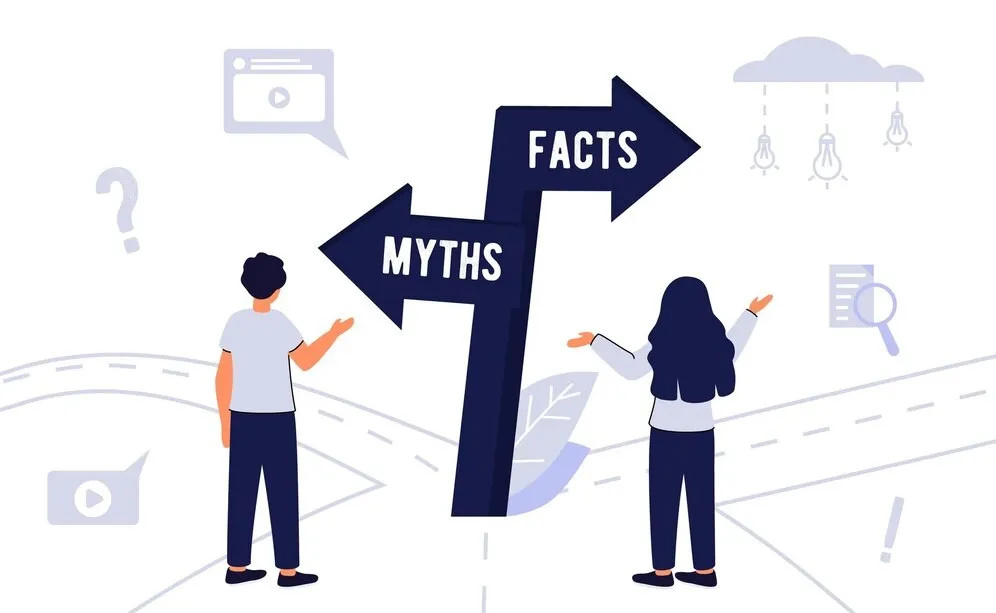
Breaking the Myths
Competitor content often falls into generic or overly clinical explanations. Let’s address common myths with clear, relatable language:
Myth 1: Pleasure is purely physical
Truth: It’s equally emotional and psychological. If stress, resentment, or body image issues are present, pleasure can be limited.
Myth 2: There’s a “normal” way to enjoy sex
Truth: Everyone’s preferences are different. Communication and consent are key.
Myth 3: Only young people have great sex
Truth: Sexual pleasure can improve with age, experience, and confidence.
Communication: The Foundation of Better Pleasure
The most overlooked factor in sexual satisfaction is communication.
Talking openly about likes, dislikes, boundaries, and fantasies can transform intimacy.
Practical Tips:
- Use “I feel” statements instead of criticism.
- Choose a relaxed time outside the bedroom to talk about intimacy.
- Share positive feedback when something feels good.
Real-Life Example:
Mark and Lina were married for 10 years before realizing they had very different ideas of what intimacy meant. A simple habit of checking in once a week about how they felt brought them closer — both emotionally and sexually.
Exploring Different Forms of Pleasure
This pleasure isn’t just about intercourse. Here are ways couples and individuals can explore intimacy:
- Sensual Touch & Massage – Enhances relaxation and builds anticipation.
- Oral Stimulation – Can provide heightened sensations for many people.
- Role Play & Fantasies – Adds novelty and excitement.
- Self-Exploration – Understanding one’s own body helps communicate needs to a partner.
The Role of Self-Confidence and Body Positivity
How we feel about our bodies greatly impacts pleasure. Negative body image can cause distraction and tension during intimacy. Practicing self-compassion, engaging in activities that make you feel attractive, and focusing on sensations rather than appearance can increase satisfaction.
Overcoming Barriers
1. Stress & Fatigue
Long work hours, parenting duties, and daily pressures can kill the mood.
Tip: Schedule intimacy, just as you would a date night or vacation.
2. Physical Health Concerns
Medical conditions like hormonal imbalances, chronic pain, or certain medications can affect desire.
Tip: Consult a healthcare provider for solutions and adjustments.
3. Emotional Disconnect
When trust or closeness fades, physical pleasure suffers.
Tip: Invest in quality time outside the bedroom to rebuild connection.
How to Make Pleasure a Priority
- Schedule Time for Intimacy – Spontaneity is great, but planning ensures it happens.
- Experiment Without Pressure – Try new activities with a playful mindset.
- Practice Mindfulness in Sex – Focus on sensations, breathing, and connection.
Real-Life Example:
David and Priya, parents of two, realized they’d gone months without real intimacy. They committed to a weekly “connection night” — sometimes sexual, sometimes just cuddling. Over time, their sexual pleasure improved because their emotional bond strengthened.
Sexual Pleasure Across Life Stages
- Young Adulthood – Exploration and learning about personal preferences.
- Midlife – Balancing responsibilities with maintaining intimacy.
- Later Years – Adapting to physical changes but often enjoying deeper emotional connections.
Final Thoughts
Sexual pleasure is a personal journey that thrives on communication, trust, emotional connection, and self-awareness. By removing shame, talking openly, and prioritizing intimacy, anyone can enhance their sexual experiences — at any stage of life.
FAQs
1. What is sexual pleasure?
It’s the physical and emotional satisfaction from sexual activity.
2. How can couples improve it naturally?
Communicate openly, focus on foreplay, and reduce stress.
3. Does emotional intimacy affect it?
Yes — it builds trust, making intimacy more enjoyable.
4. What are common myths?
That good sex is always spontaneous or the same for everyone.
5. How can communication help?
It helps partners express needs and feel understood.
Comprehensive 2026 Buyer’s Guide & Additional Insights: Understanding Sexual Pleasure: A Complete Guide to Intimacy, Connection, and Well-Being
As the digital landscape evolves, staying informed about understanding sexual pleasure: a complete guide to intimacy, connection, and well-being is more critical than ever. Families across the globe are facing unprecedented challenges in managing digital safety, screen time, and psychological well-being. Whether you are dealing with toddlers discovering tablets or teenagers navigating complex social media ecosystems, relying on outdated strategies is no longer sufficient.
Why Premium Solutions Matter
Many parents attempt to solve modern digital problems using free, built-in operating system controls. However, these tools are often inadequate against tech-savvy minors and sophisticated algorithms. When addressing understanding sexual pleasure: a complete guide to intimacy, connection, and well-being, investing in enterprise-grade family network security and premium software suites provides a unified, impenetrable defense.
Free tools typically lack deep packet inspection, real-time cyberbullying detection, and comprehensive dark web scanning. Furthermore, some free applications monetize their services by harvesting your family’s behavioral data, directly contradicting your privacy goals.
Top Industry Recommendations
| Recommended Service | Key Benefit | Average Cost |
|---|---|---|
| Aura Family Plan | Unmatched all-in-one protection combining antivirus, VPN, parental controls, and identity theft insurance. | $144/year |
| Norton 360 Deluxe | Industry-standard rapid threat detection and million-dollar stolen funds reimbursement. | $180/year |
| Bark Premium | The absolute best AI-driven social media monitoring for detecting digital threats. | $99/year |
When you evaluate the costs associated with these premium tools, you must factor in the invaluable peace of mind they provide. The financial and emotional toll of a compromised identity or unmonitored digital access far outweighs a nominal annual subscription fee.
Explore Related Resources
For a comprehensive overview of how to protect your family in 2026, be sure to read our Ultimate Guide to Digital Parenting.
Additionally, check out these related articles to further secure your household:
- 10 Profitable Chores to Do for Money: Boost Your Income Today
- Preparing Your Autistic Child for Entry to School: An Ultimate Guide
- 10 Ways Michiana Hematology Oncology (MHO) Transforms Cancer Care
