
Child Succeed in Middle School is often called the “make-or-break” stage. It’s the time when children move from the safety of elementary school to the challenges of independence, new academic pressures, and social dynamics. For many parents, it can feel overwhelming—how do you support your child without hovering, and how do you prepare them for success both inside and outside the classroom?
This guide offers actionable, real-life strategies that thousands of parents have used to help their children not only survive but thrive in middle school.
Create a Growth Mindset at Home
Children often believe intelligence is fixed: “I’m just not good at math” or “I’ll never be a good writer.” A growth mindset shifts that thinking to: “I can improve if I practice.”
- Reframe failure: Treat mistakes as opportunities to learn.
- Model persistence: Let your child see you struggle with something—like cooking a new recipe—and keep trying.
- Use positive language: Replace “That’s wrong” with “Let’s try another way.”
Real-life example: A mom shared that her daughter hated science because she “always failed the experiments.” The mom changed the conversation by asking: “What did you discover when it didn’t work?” This shifted her daughter’s mindset, and she eventually grew to love the subject.
Extra Tip: Share biographies of inventors, athletes, or leaders who failed many times before succeeding—Thomas Edison, J.K. Rowling, or Michael Jordan. Kids relate to these stories.
Build Strong Organizational Skills
Organization is the bridge between effort and success. Many middle schoolers work hard but lose points on missed assignments or forgotten materials.
Practical tools:
- Use color-coded folders and notebooks.
- Keep a family calendar where everyone can see deadlines, practices, and events.
- Create a “homework zone” free from distractions.
Case Study: A 7th grader struggled with constant late assignments. His parents introduced a Sunday “reset” routine—cleaning out binders, checking missing assignments online, and resetting his workspace. Within one quarter, he went from multiple missed assignments to none.
Extra Tip: Teach “backward planning.” If a project is due in two weeks, help your child mark mini-deadlines (research by day 3, rough draft by day 7, final draft by day 12).

Support Emotional Health and Social Confidence
Middle school is often an emotional rollercoaster. Hormonal changes, friendship drama, and academic stress all collide. Parents who provide a safe space make a huge difference.
- Ask open-ended questions: “What was the funniest thing that happened today?” instead of “How was school?”
- Validate feelings, even if they seem small. (“I know being left out hurts. I felt that way, too.”)
- Encourage healthy outlets like sports, music, or art.
Real-life story: A parent noticed her son withdrew after being teased in P.E. Instead of lecturing, she shared her own middle school story about being picked last in sports. That connection opened the door for him to talk—and eventually join a martial arts class where his confidence grew.
Extra Tip: Teach your child “friendship red flags”—if someone constantly puts them down or pressures them, that’s not a real friend.
Develop Effective Study Habits
Middle school introduces heavier workloads. Teaching good study habits now sets kids up for high school and beyond.
- Chunk learning: Break big tasks into smaller parts.
- Active recall: Instead of rereading notes, have them explain the material to you.
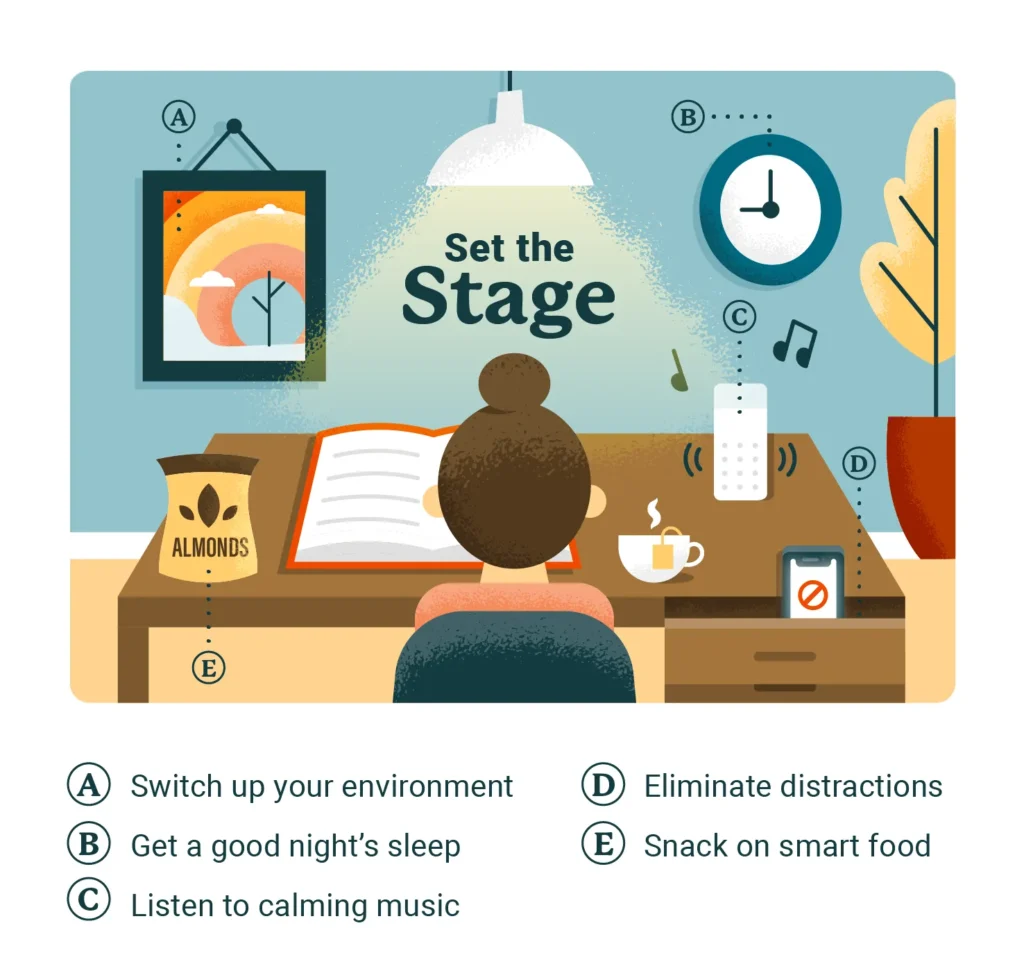
- Environment matters: Quiet, well-lit spaces boost focus.
- Routine: A set time each day for homework creates consistency.
Real-life example: A dad turned vocabulary into a game by posting sticky notes around the house. His daughter had to “find” the words and define them before dinner. Grades improved, and studying became fun.
Extra Tip: Use the Pomodoro technique (25 minutes of work, 5 minutes break). It keeps energy levels high.
Balance Screen Time and Routines
Screens can be educational but also distracting. Research shows too much screen time can affect sleep, mood, and focus.
- Set clear limits: No phones during homework or meals.
- Use apps to monitor screen time.
- Replace screen time with shared activities—board games, family walks, or cooking together.
Case Study: A 12-year-old was staying up until midnight gaming. His parents introduced a “tech bedtime”—devices turned in at 9 p.m. Within a week, his sleep improved, morning arguments disappeared, and his grades stabilized.
Extra Tip: Involve kids in setting limits. When they help create the rules, they’re more likely to follow them.
Communicate Clearly and Set Boundaries
Clear communication reduces power struggles. Middle schoolers push for independence, but they still need firm boundaries.
- Hold weekly family check-ins.
- Set house rules together (bedtime, chores, homework).
- Be consistent—don’t bend rules when it’s inconvenient.
Real-life example: A father created a Sunday family meeting. His daughter loved voicing her opinions, and discipline issues decreased because she felt heard.
Extra Tip: Use “when-then” phrasing: “When homework is done, then you can watch TV.” It removes negotiation.
Stay Connected with School
Kids might roll their eyes when parents show up at school, but involvement matters.
- Introduce yourself to teachers early.
- Check the online grade portal regularly.
- Volunteer—even if just once a semester.
Real-life story: One mom volunteered in the library. Her son said, “It felt good knowing you cared enough to be there.” It boosted his motivation.
Extra Tip: Email teachers before problems escalate. A quick message—“How is my child doing in your class?”—builds trust.
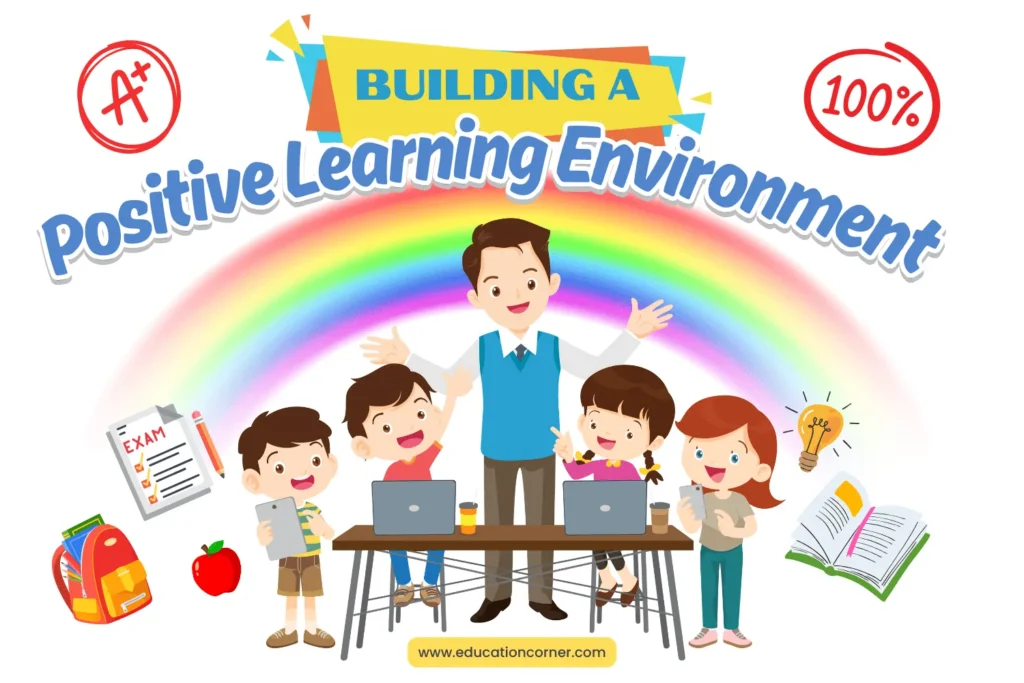
Turn Home into a Learning Environment
School shouldn’t be the only place for learning. When the home values curiosity, kids thrive.
- Keep books and magazines visible.
- Play educational games (Scrabble, chess, trivia).
- Share what you’re learning—kids mirror enthusiasm.
Case Study: A family started a “Fact of the Day” at dinner. Each person shared one new thing they learned. Their daughter began researching facts just to share, and her curiosity exploded.
Extra Tip: Encourage hobbies like coding, cooking, or photography. Passion projects build confidence and skills.
Teach Responsibility and Independence
Middle school is the perfect time to practice independence before high school.
- Assign regular chores.
- Let them manage small budgets (weekly allowance).
- Encourage them to email teachers directly if they have questions.
Real-life example: A mom had her son pack his own lunch daily. At first, he forgot items. But over time, he became more responsible and proud of his independence.
Extra Tip: Gradually loosen control. Instead of checking homework every night, check once a week and let natural consequences teach responsibility.
Final Thoughts
Helping your child succeed in middle school isn’t about perfection. It’s about building habits, confidence, and a strong support system. With clear routines, open communication, and encouragement, your child will gain the skills to thrive not just in school, but in life.
FAQs
Q: How much should I help with homework?
A: Offer guidance but avoid doing it for them. The goal is independence.
Q: Should I hire a tutor if my child is struggling?
A: Tutors can help, but first try communication with teachers and adjusting study habits.
Q: How many hours of sleep do middle schoolers need?
A: Most need 9–11 hours, but screens often reduce sleep. Consistent routines help.
Q: What’s the hardest part about middle school for kids?
A: Balancing academics with social changes. Many struggle more with friendships than grades.
Comprehensive 2026 Buyer’s Guide & Additional Insights: How to Help Your Child Succeed in Middle School: A Parent’s Complete Guide
As the digital landscape evolves, staying informed about how to help your child succeed in middle school: a parent’s complete guide is more critical than ever. Families across the globe are facing unprecedented challenges in managing digital safety, screen time, and psychological well-being. Whether you are dealing with toddlers discovering tablets or teenagers navigating complex social media ecosystems, relying on outdated strategies is no longer sufficient.
Why Premium Solutions Matter
Many parents attempt to solve modern digital problems using free, built-in operating system controls. However, these tools are often inadequate against tech-savvy minors and sophisticated algorithms. When addressing how to help your child succeed in middle school: a parent’s complete guide, investing in enterprise-grade family network security and premium software suites provides a unified, impenetrable defense.
Free tools typically lack deep packet inspection, real-time cyberbullying detection, and comprehensive dark web scanning. Furthermore, some free applications monetize their services by harvesting your family’s behavioral data, directly contradicting your privacy goals.
Top Industry Recommendations
| Recommended Service | Key Benefit | Average Cost |
|---|---|---|
| Aura Family Plan | Unmatched all-in-one protection combining antivirus, VPN, parental controls, and identity theft insurance. | $144/year |
| Norton 360 Deluxe | Industry-standard rapid threat detection and million-dollar stolen funds reimbursement. | $180/year |
| Bark Premium | The absolute best AI-driven social media monitoring for detecting digital threats. | $99/year |
When you evaluate the costs associated with these premium tools, you must factor in the invaluable peace of mind they provide. The financial and emotional toll of a compromised identity or unmonitored digital access far outweighs a nominal annual subscription fee.
Explore Related Resources
For a comprehensive overview of how to protect your family in 2026, be sure to read our Ultimate Guide to Digital Parenting.
Additionally, check out these related articles to further secure your household:
- How to Plan Family Gatherings: A Complete Guide with Tips and Ideas and Checklists
- Essential Parenting Advice That Truly Work On Children
- How to Handle a Chatty Kid: Practical and Positive Tips for Parents

Russell F. Jones, holding a Master in psychology from the University of Florida. He writes for Smart Parent Solutions, offering practical advice on parenting and child development. His engaging content helps parents navigate family life with confidence and ease. Russell enjoys sharing his knowledge and spending quality time with his family.